
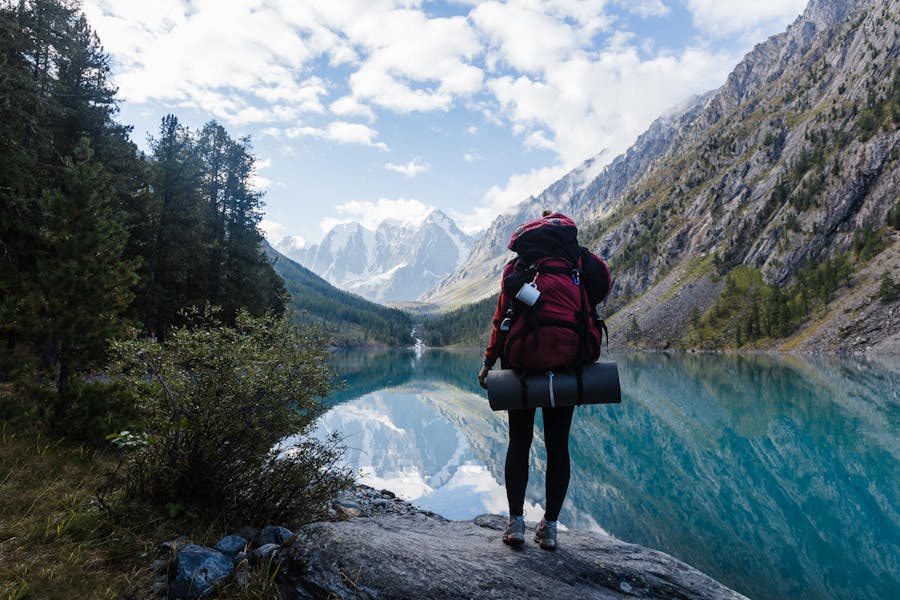
Make your thru-hike to the Appalachian Trail real! We help you to plan and finish the long-distance hike with no room for gear mistakes. Yes, this is a long way through rocky, rugged routes, weeks of rain, and snow in where you’re going to be, living with bugs, getting wet, going through humid climb-ups, and much more. With over 2,190 miles, your gear is indeed going to get through a lot. So here is what you should pack with the ultimate Appalachian Trail Gear List.
- Shelter
- Backpack
- Hammock
- Sleeping bag, liners and quilt
- Sleeping pad
- Appalachian Trail clothing and footwear
- Water purifier
- Navigation tools
- First aid kit
- Hygiene items
- Camping stove and cook kit
- Headlamp and light
- Multi-tool
- Potty kit
- Bug management
- Guidebook
- Others
Appalachian Trail is for thru-hikers and takes the journey of a lifetime. It would take weeks to cover in sectors and to reach whole, it will take months. No matter how you plan with time you should not take light about packing. So here we cover the Appalachian Trail gear list to let you know why packing right is essential here.
Neither too heavy nor too light; here is how to pack right for Appalachian Trail hikes.
Shelter
The tent is the most important piece of gear when it comes to planning a long-distance hike. In fact, your tent is going to be your home for the days you are away from home. But how do you choose the right camping tent; that goes with the style of camping, with whom you camp, and for how long.
Today, the market is full of backpacking tents where lightweight is a top priority. Even if you are looking for the lightest option, the tent going to be one of the heaviest gears in your pack. So what you choose should be lightweight, and feature an easy setup at the same time being durable.
And think that you are choosing a shelter to stay in for weeks and months. So, with all other things, consider the comfort of the shelter too. And from the durability standpoint, consider your time of visit at the Appalachian Trail and choose for three-season or best for cold weather camping.
Backpack
The backpack comes in the essentials of the whole Appalachian Trail Gear List. In fact, that is where you pack all your camping gear and it should go hand-in-hand with your entire gear list. To invest right in your backpack, think about what type of a camper you are and never leave a chance to lead to discomfort. Think about the volume, weight capacity, and overall support along with the price. Here are a few things to consider when buying the right backpack.
- Weight
- Torso size
- Specific design (men and women-specific designs)
- Ventilation between the back and the pack (to wear comfortably with less sweating)
- Other features like pockets, padding, and comfortable straps
The right backpack is going to be the best companion throughout hiking and the most important fact is the right capacity. So when planning with your gear, go right with your pack and count its ease of transport.
Hammock
Hammock tenting is winning more popularity these days like never before and suits well for those who do not want to sleep on rocky ground. And if you find it hard to spot a perfect sleeping spot at Appalachian Trail with rooty, rocky, and hard terrain, hammock shelter would be perfectly fitting with both options to handling through trees or set on the ground. Find a perfect hammock with a good balance of weight, easy setup, durability, protection from weather and bugs. If everything is scored, it would be a perfect shelter at the Appalachian Trail.
Hammocks are most probably less expensive than tents but can be heavier sometimes. And if you are planning to invest in one, consider a model integrated with a rainfly and a bug net. Even this is good for side sleepers, for those stomach ones, hammocks are a bit of a challenging thing when it goes beyond relaxing and making it your sleep system for weeks.
However, hammock tenting is popular these days for its high versatility. And for extra comfort and insulation, use a sleeping pad or an underquilt lower you to protect you from the cool air beneath.
Sleeping bag, liners, and quilt
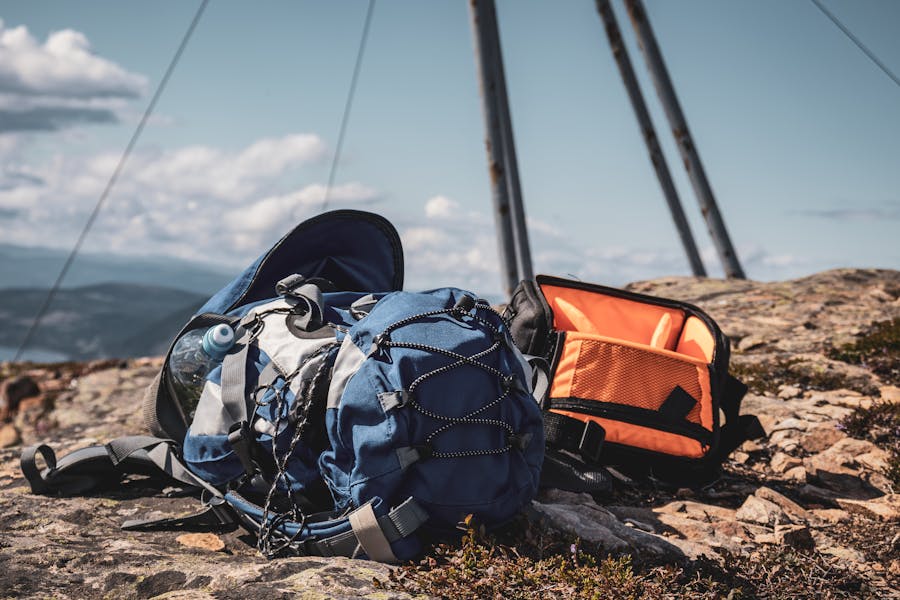
In your Appalachian Trail gear list, a sleeping bag is another important piece of gear you should choose considering weight, size, and temperature rating. Weight and the comfort standard of your sleeping bag are important to come in a super blend to make your stay at Appalachian Trail great. It is all about the fine warmth-to-weight ratio. Along with that, think about the fill power, temperature rating, and packability of the item for your long journey to fit well with your budget.
For a warm-weather hike, a sleeping bag rated about 20 degrees minimum will be good. But if you are on a bag rated 30 degrees and up, a fine liner would do the best in colder sections. Even a liner is optional; it can help with keeping your bag clean at the same time adding warmth to your system.
Make sure you consider:
- Mummy designs are warmer but heavier than minimalist quilts
- Down fill type sleeping bags are more expensive than synthetic but perform well
- Invest on a bag with a lower rating than the lowest temperature can be of where you are planning to go
- Consider a design specific to gender (choose men and women-specific designs)
Together with all the features, consider the price of your sleeping bag at the top. Check whether they are worth what you invest in.
Sleeping pad
To be active and do well on the trails, you need a good sleep. To complete your sleep system, consider adding a good sleeping pad choosing from foam options; self-inflating or inflatable. With a sleeping pad, you will get the right cushioning and insulation (R-value) from the ground beneath to survive well in cold. And a good sleeping pad can also be your sitting pad in between your short trail breaks.
For three-season use, a pad with an R-value of 3 to 5 is good and for cold-weather camping, you will need one with a greater R-value than 5. Along with the R-value, consider its weight, compressibility, ease in handling, durability, and price.
Appalachian Trail clothing and footwear
Planning right with clothing and footwear is essential as you are going to spend a lot of time hiking in super-hot, moist temperatures, where there is a big chance of creating odor-causing bacteria. So if you are thinking about how to enjoy hiking while managing body odors that starts with clothing.
In fact, after your trip, they may be unwearable. So pack as much as required for your weeks or months. And some extras like undergarments, socks, etc. will make you thankful later. The followings are some essentials in Appalachian Trail clothing and footwear. Together with them, you can pack any extras but never overpack.
- Base Layers- Polyester, Synthetic, Merino, Capilene, or Blend
- Hiking Fleeces (do well in wet conditions)
- Insulating Jackets- Down and Synthetic options
- Rain gear and wind Protection (quick-drying jackets and pants)
- Umbrellas (optional gear) or raincoats if there is heavy rain
- Hiking socks (Merino wool) and Undies (more than required from either synthetic or wool)
- Hiking Bottoms (Synthetic)
- Camp Bottoms (Wool, Synthetic or Polyester)
- Gloves and Hats
- Footwear- Camp shoes, hiking boots or running shoes
- Waterproof stuff sacks (optional gear)
Water purifier
You need more water when on the trails but carrying the whole is not the option. While there are several ways to treat water, taking a water purification system is the best and easy way. Fortunately, there are waterfalls; rivers like water sources run through the end of the solid forest to end the trail. If you have the right water purification system, water is never going to make any trouble for you.
Note: Water is highly important and consider using a reusable water bottle. Or you can use a hydration reservoir to ensure you stay hydrated
Navigation tools
The chance to get lost on the Appalachian Trail is minimal but having the right navigation tools is always recommended. Have a compass, map, GPS device, and a phone app if required. Additionally, have data books, papers, and town guides.
At Appalachian Trail, there is a big chance for a single down and can easily make your battery killed. So if you are using a mobile app, have extra batteries and get prepared for any emergencies. But do not make the mobile app your primary navigation tool.
First aid kit
Wherever you go, safety should be your first consideration. You can either invest in a ready-made first aid kit or can simply pack the essentials you have in a Ziploc bag. And here are some essentials you should look for in a complete first aid kit.
- Antibacterial wipes
- Triple Antibiotic Cream
- Ibuprofen
- Antidiarrheal
- Antihistamine
- Duct tape
- Bandaids
- Sewing Needle
- Leukotape (blister prevention)
- Emergency Fire Starter
Note: After every use, make sure you replace the items you have used in your first aid kit to keep it updated for your needs. And do not forget to add your daily medications to the pack to keep it ready for all your days ahead at the Appalachian Trail
Hygiene items
These hygiene products for your hike are considered essentials and can vary depending on personal preferences. But never overpack; here are some supplies you would definitely find useful in your long hiking at Appalachian Trail.
- Mini toothbrush and a mini toothpaste tube (to cut down space)
- Hand sanitizer
- Biodegradable soap
- Floss
- Hair brush, ties and dry shampoo like things
- Baby wipes
- Hand-towels
- Moisturizers
- Lip balm
- Additional you prefer
Camping stove and cook kit
Some go stoveless with prepared meals, but it seems essential for me to have some warm meals to stay energetic throughout the trail. Even if you have to spend some space, a warm meal at the end of the tiring day can make you feel more luxurious. In fact, most thru-hikers do carry stoves as it may feel like a punishment to have a cold bowl of oatmeal or instant mashed potatoes to taste through all hard adventures.
As you have weeks or even months to spend on the trail, have a lightweight camp stove and the right utensils to eat with. Considering fuel efficiency and packability, you can make a choice on the fuel type of your stove. And you will need cups for the number of heads, plates and some cookware. When investing in a stove, consider fuel efficiency at the highest, the weight of the stove, boiling time, and flexibility.
Headlamp and light
From small searches in packs, night hikes to bathroom needs, a headlamp going to be so useful to have in the pack. A camping headlamp is lightweight and will never find weighed in your kit. And with a wide collection of camping headlamps for various price tags, you can find a good fit easily.
Make sure you invest in one easy wear, which can change light settings and higher range. And always check with long battery life when you are planning to buy one and charging over and over can be a mess during your hectic hikes. If required, consider adding a flashlight also in your pack for emergency uses. It will find useful in night hikes and I find this essential as much as a headlamp.
Multi-tool
Multi-tool is not essential like food and water but it can be smart and helpful when you are hiking through wilds. And for sharpening wood, setting up your tent, opening packages like things and etc. a multi-tool is going to be helping through. As it is small and does not weigh much, make sure you include one in your Appalachian Trail gear list. If you are not a fan of this, an alternative is a knife that will be too going help in some instances in the wild yet consuming less space in your Appalachian Trail gear list.
Potty kit
Respecting Leave No Trace guidelines at all times is essential no matter wherever you go. And make it counted when burying your poo in a cathole that is 6-8 inches deep and away from water sources from about 200 feet. You can poop in the chamber pots next to shelters and always pack the potty trowels, toilet paper, and zip bag to pack away the used papers. For further reading, refer to the guide on how to poop while camping.
Bug management
Luckily, Appalachian Trail is not famous for black flies, mosquitoes, and other irritating bugs and you do not have to wear long sleeves and pants like you usually make visits to tick and bug country. However, getting prepared for bug management is essential. So, pack bug spray and bug lotion and consider using bug nets in your shelter. Each night, check yourselves for ticks and ensure safety before you get in your tent for sleeping. And make it a habit to check your surroundings before you enter the tent.
Guidebook
On the trail, a guidebook is necessary for the purpose of planning and tracking. Even a book can be heavy, experienced hikers call it an essential to have in your gear. You may have occupied with the internet things, apps already in your navigation system make sure you have a guidebook to not to get lost. Find one with recent information and supported with thru-hikers reviews. You can definitely make your experience at Appalachian Trail better.
With Appalachian Trail guidebooks you can plan well on resupply items, campsite information (check for one with recent information), and about shelters. And also know about services you can have in nearby towns to make your stay confident. Most of the hikers stick only with detailed guidebooks and just forget about maps. But if you are new to Appalachian Trail, consider adding both a guidebook and a map of the area for a better lead through.
Other items
In addition to the essentials in your Appalachian Trail gear list, you can add up things according to your personal preference. We call them others and that is totally up to you. And here I bring up some suggestions I find useful throughout the experience. But you can change them to whatever you prefer to get your times at the Appalachian Trail better.
- Hiking poles
- Sunscreen
- Camping lighters
- Electronics you need (smartphone, camera, Laptop, MP3 player and notetaker, etc.)
- Pillows
- Mascot
- Sit pad
- Backpacking chairs
- Musical instruments
- Outdoor journals
- Pandemic gear (face mask, hand sanitizer, face shield, etc)

Carrying too little can risk you at Appalachian Trail and carrying too much again can risk you for injury, reduce the pace and so often physical discomfort. As with the experts’ words, packing can make or break the trip. So hope you had an idea about what to pack for the 2,190-miles ahead.
How excited to plan your trip to Appalachian Trail? Hope you know everything to pack!
Read More: