
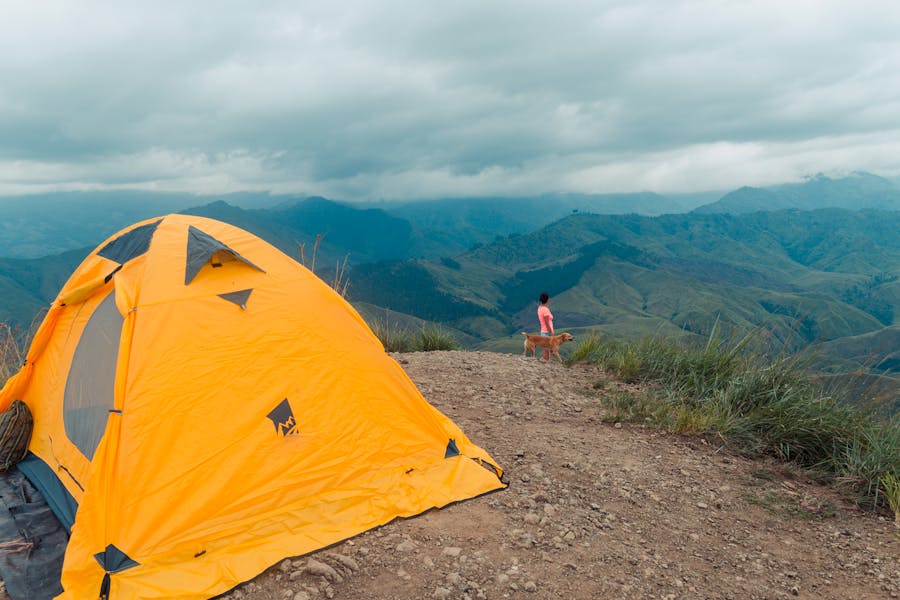
Camping is an enjoyable hobby and makes for thousands of fun memories, but things can also get unclean quickly! The tent is the main essential gear for every camper’s checklist. Before putting your tent away, make doubly sure everything is clean and dry because mold and mildew are common problems with tents. Before you go camping, ensure you understand how to clean Tent with Mold. If not, we’re here to support you.
- Does your tent have mold?
- How does your tent get mold?
- How To Remove Mold – step by step?
- What are the different ways to remove mold?
- How to Prevent Mold in the future?
Mold can grow fast on wet textiles, like tents, and it can form if they are wrapped in a bag before they are totally dry. This article will guide you in recognizing mold and mildew issues, provide alternatives for quick removal, and offer advice on preventing mold and mildew problems in the future. So let’s jump right into it.
Does your tent have mold?
We strongly advise you to thoroughly inspect your tent for mold and mildew after every use. First and foremost, especially if you’re a regular camper, it’s a good idea to check your tent after each usage for any mold or mildew that needs to be addressed. Before your next camping adventure, you don’t want to inhale mold particles accidentally! Like your sleeping bag, you’ll want to make sure your tent is clean and safe before resting in it.
If you’re not sure if your tent has a mold problem, there are several ways you can use to figure it out. Mold appears on your tent’s fabric as green, black, or even blue spots. If you see any odd areas, wipe them down with a moist rag to ensure they aren’t just dirt or dust. When you try to wipe the stain away, and it doesn’t come off, you may have mold or mildew on your hands.
Mold is caused by moisture and humidity, so if mold is the problem, you’ll note a musty odour Mold and mildew have a very similar odour. So make sure your tent is clean and safe before sleeping in it.
How does your tent get mold?
You might be curious how mold got into your tent in the first place if you’ve ever discovered mold or mildew spreading in it. Whether it rains or snows while you’re camping, getting your tent wet is one of the main causes of mold.
That’s when you might pack it without thinking, trapping the moisture inside and storing it that way once you reach home. Although if you clean and store your tent appropriately, it may still occur. What’s your response? Mold in your tent could be caused by a variety of factors.
Leaving your tent to dry out fully is not a good idea. Mold and mildew thrive in moist environments, so failing to dry out your tent thoroughly. Mold and mildew need in moist environments, so falling to dry out your tent thoroughly. As a result, you must let your tent fully dry before storing it.
The next factor is that storing a tent in an airtight container is a good idea. While mold does require oxygen to grow, most molds can survive with only a sliver of oxygen. Mold flourishes in airtight containers, as anybody who has ever opened an old food container that lingered in their fridge for a few weeks longer than it should have known.
Keeping a tent dry in a wet setting: If you have to completely dry your glamping tent before storing it in a moist environment can undo all of your hard work. In addition, if the humidity in your tent storage area is high, mold can grow quickly.
How to remove mold – Step by step?
Don’t worry if you discover that your favorite camping tent has a mold problem. You can try several different approaches to get rid of mold.
If you get all of the essential things, you may eventually remove the mold from your tent. However, every tent is special; if you have a significant mold problem with your shelter, we strongly advise you to contact the manufacturer immediately for more precise advice.
Small mold infestations can be treated with soap and water. If you have a few spots of mold on the fabric of your tent, this should suffice, and the problem will be resolved quickly. Below, we mentioned how to remove mold from your tent step by step:
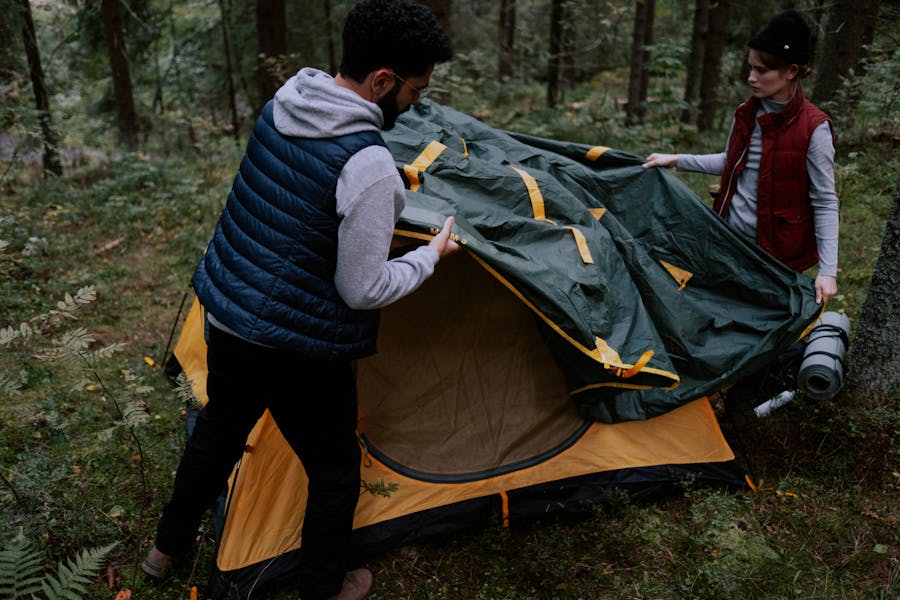
Clean your tent
Take the opportunity to undertake a basic wash of your tent if you haven’t already done so before you begin to deal with mold. This step shouldn’t take more than a few minutes, but any filthy areas should be removed with a sponge, mild dish soap, and water. After that, give your tent a good rinse with water to get it ready for the next phase.
If you only have a slight case of mold, the first two choices will most likely suffice. However, if you plan to use your tent after a few months and notice severe mold, we recommend pursuing all of the choices to guarantee you have a clean and safe tent for your camping vacations.
Use mold remover
The next step is using mold remover. Mold removers are available from various companies to help you free your valuable tent and other critical gear, such as your rain jacket, of mold.
Whenever utilizing specific mold removers, you must always read the recommended guidelines. To create the remedy for your tent, you’ll probably notice that they suggest filling a bathtub or bucket with warm water and putting in some mold remover.
Soak your tent in water
Put your tent in your bathtub or bucket after the mold remover is ready to use, and let it soak in the mixture. The mould remover product will give you more detailed directions on how much you should soak your tent.
Carefully remove your tent from the mold-removing solution as soon as possible, as directed by the manufacturer. This is because soaking a tent in the solution for too long might cause the chemicals to eat away at the tent’s natural waterproof coating, which is terrible.
Clean your tent in water
When it’s time to take your tent from the mold solution, rinse it thoroughly with cool water until all soap and mold remover solutions are removed. You don’t want to scrape the underside of the tent fly, so proceed with caution. This can harm the waterproof covering on the tent, which isn’t good.
Allow it to dry
This is the fifth and last stage in removing mold from a camping tent. Allow your tent to dry naturally. If you wash your tent, you should usually hang it to dry in the shade. If you’ve recently scrubbed mold off your tent, the sun will function as a natural bleaching agent, helping to eliminate any bacteria that you haven’t rinsed away. Avoid putting a tent in the dryer, as this can cause further issues.
What are the different ways to remove mold?
There are various ways available to keep your tent free of mold and mildew. Below we recommended the most common methods that you can use easy and simple.
Soap and hot water
Mold and mildew can be removed with a simple hot or warm water and soap solution. Use non-detergent soap and clean the affected region with soapy water using the soft side of a sponge or a bristle brush.
Rinse your tent with fresh water once it has been cleaned and cleaned correctly. Cleaning outside is excellent to avoid bringing mold spores into your home.
Vinegar and water
If soapy water isn’t cutting it, we’ll have to resort to a more powerful way to get the mold out of your tent. The vinegar and lemon techniques are the following two alternatives. Vinegar is a well-known household product that works well for cleaning and odour removal. It effectively kills mold and removes the smelly, mildewy odour that often accompanies it.
To soak a cloth, sponge, or brush, add a cup of white vinegar with a gallon of warm water in a bucket. Next, clean the afflicted areas until you can no longer see mold or mildew stains.
Once finished, rinse with clean water. Take a spray bottle halfway with white vinegar and squirt it on the afflicted part of your tent. Allow it to sit for a few minutes before scrubbing it clean with warm water. Allow your tent to dry entirely before keeping it.
Salt with lemon juice
Although vinegar should be sufficient to eradicate the mold, lemon juice can also be used. You’ll need around a cup of lemon juice and a gallon of hot water, as well as a spray bottle for this. Lemon juice is a good mold remedy since it has similarly odor-eliminating and bacteria-killing capabilities. Using a sponge or brush, clean and scrub your tent with this solution. Allow the tent to fully dry after rinsing it with clean water.
Warm water and tea tree oil
You might be shocked to learn that tea tree oil can be used to treat mold and mildew. This oil has natural antifungal properties, making it ideal for fighting mold and mildew. Nevertheless, it has a strong aroma because it is an essential oil, so use this procedure only if you have exhausted all other options.
Tea tree oil is one of those oils that can destroy mold and mildew in an unexpected way. It’s also an excellent way to clean and deodorise the tent. A spray bottle can be filled with two tablespoons of tea tree oil and a cup of water. After spraying the damaged areas, use a soft sponge, towel, or scrub brush to clean them. After rinsing with warm water, leave it dry.
How to prevent mold in the future?
Congratulations if you were able to effectively remove the mold from your tent. Although if you wash and dry your tent thoroughly before storing it, mold might still form on it. This is dependent on the type of room and environment in which it is kept. You don’t want to maintain your tent in a wet, suffocating environment with little airflow.
Every time keep your tent dry. This is something we can’t stress enough. To avoid mold, make sure your tent is thoroughly dry after each trip. Even a small amount of moisture can foster the growth of various exotic mold types, so be sure your tent is completely dry before stuffing it into its stuff sack.
Keep your tent in an excellent, dry location. It’s critical to store your tent in an ideal, dry place once it’s dry and put away in its stuff sack. Mold thrives in warm, damp, and humid situations, so maintaining your tent cool and dry can help prevent mildew from taking hold.
Controlled environment with plenty of ventilation so that moisture does not condense on your tent. If the area where you’re storing your tent is humid, a room or space with sufficient ventilation might help to circulate the moist air.
In the end, you want your tent to stay dry to avoid further mold and mildew growth. As a result, you should bring your tent out and open it up now and then to inspect it and let it air out before restoring it. This will prevent mold from growing in your tent gear and ensure that your camping trip succeeds.
Nobody likes to stay their camping trip in a moldy tent. That is why it is critical to clean, dry, and store your tent correctly. The advice we’ve given will assist you in getting the most out of your camping gear and avoiding a moldy situation on your next trip.
Read more: